Society & Culture: How Modern Wealth Is Redefining Identity, Influence, and Social Values
Luxury has always played a defining role in shaping society & culture. From royal courts and aristocratic salons to modern boardrooms and private members’ clubs, wealth has influenced how power is displayed, how culture evolves, and how social hierarchies are formed. Yet today, society finds itself at a turning point. The meaning of luxury is changing — and with it, the cultural rules that govern status, influence, and belonging.
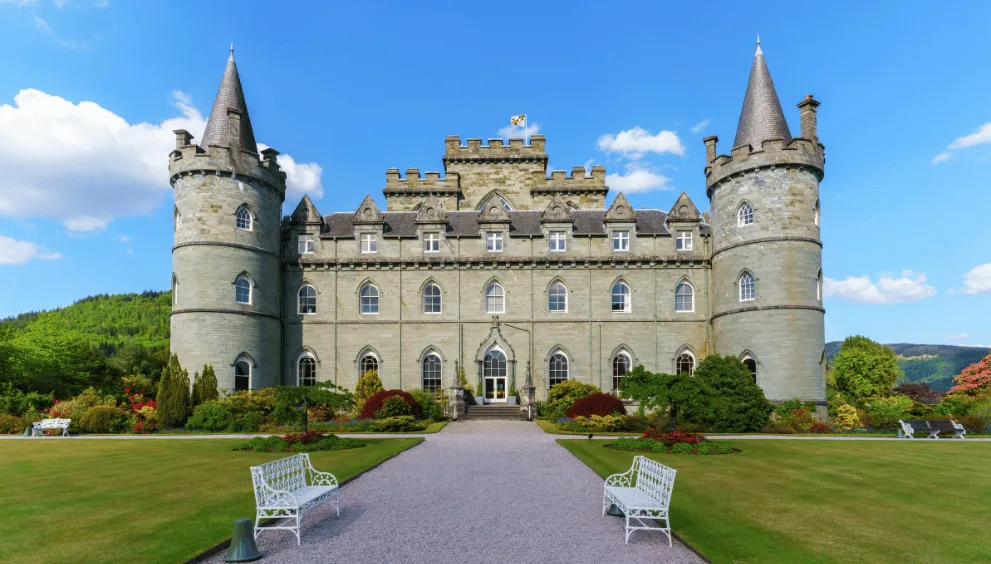
In earlier eras, wealth was synonymous with visibility. Castles on hilltops, lavish banquets, and opulent attire were deliberate signals of authority. Society accepted these displays as natural extensions of power. But modern society is more questioning. Cultural awareness, global connectivity, and generational shifts have softened the appeal of excess and redirected admiration toward discretion, intelligence, and intentional living.
From Inherited Power to Cultural Influence
One of the most significant shifts within society & culture is the transition from inherited power to earned influence. While legacy wealth still exists, it no longer holds unquestioned dominance. Entrepreneurs, creators, technologists, and cultural leaders have become the new power holders — individuals who shape public thought rather than merely inherit privilege.
This evolution reflects a deeper cultural change. Status today is built through narrative. Who you are, what you stand for, and how you contribute to the cultural conversation now matter as much as financial capital. Influence has become more democratic, but also more demanding. Society rewards those who bring meaning, originality, and perspective to the table.
Quiet Luxury and the Rise of Taste
Modern society is experiencing a quiet rebellion against overt displays of wealth. Logos are shrinking, extravagance is being softened, and understatement has become the new signal of refinement. This movement toward quiet luxury is not accidental — it reflects a cultural desire for depth over noise.
In the context of society & culture, taste has replaced excess as the ultimate marker of status. Taste cannot be bought instantly; it is cultivated. It signals education, restraint, and confidence. The most admired individuals are often those whose wealth feels secondary to their worldview.
This shift also reveals a collective fatigue. In a world saturated with images and instant gratification, restraint feels radical. Society is learning that subtlety can be far more powerful than spectacle.
Power Without Palaces
Power no longer requires a throne or a title. In today’s cultural landscape, power lives in perception. A well-articulated idea, a strong ethical stance, or a compelling lifestyle philosophy can carry more weight than formal authority.
Social media, digital platforms, and global connectivity have reshaped society & culture, allowing influence to travel faster and wider than ever before. However, this accessibility comes with scrutiny. Modern society expects accountability from its influencers — whether they are billionaires, creatives, or cultural icons.
Wealth without responsibility now feels hollow. Society increasingly values those who understand their influence and use it with intention.
The Moral Lens on Wealth
Perhaps the most profound change within society & culture is the moral lens through which wealth is now viewed. How money is made matters. How it is spent matters even more. Ethical business practices, sustainability, philanthropy, and cultural contribution have become central to how society evaluates success.
This does not signal a rejection of luxury. Rather, it reflects a cultural maturation. Society is asking wealth to evolve — away from indulgence for its own sake and toward purpose-driven living.
The modern elite are not defined solely by what they own, but by what they support, protect, and help shape.
Experiences Over Possessions
Another defining trend reshaping society & culture is the shift from ownership to experience. Private art viewings, intellectual gatherings, cultural travel, and meaningful events now hold greater value than material accumulation.
This change suggests that society is craving connection in an increasingly fragmented world. Experiences offer memory, emotion, and identity — things objects alone cannot provide. Luxury, in this sense, becomes a gateway to belonging rather than separation.
Cultural capital is now built through participation, not possession.
The New Social Dilemma
While these shifts are largely positive, they introduce new complexities. The pursuit of “authentic luxury” can itself become performative. Society risks replacing old hierarchies with new, subtler ones — where taste, access, and cultural fluency become gatekeepers.
The challenge for modern society & culture is balance. True progress lies in allowing individuals to define success on their own terms, without imposing a single ideal of what a “cultured” or “luxurious” life should look like.
Looking Forward
As society continues to evolve, luxury will remain a reflection of collective values. It will show us what we prioritize, who we elevate, and how we measure fulfillment. Wealth will continue to influence culture — but culture will increasingly dictate how wealth is perceived.
At Luxora Global, this intersection of society & culture is observed not as a passing trend, but as an ongoing transformation — one that reveals how humanity redefines power, meaning, and identity in every generation.
In the end, the future of society & culture will not be shaped by who has the most — but by who understands their place within it most thoughtfully.


Comments
Post a Comment